
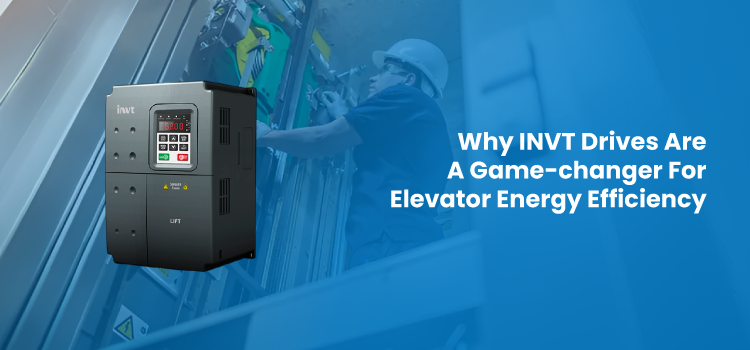
Why INVT Drives are a Game-Changer for Elevator Energy Efficiency
Elevators are far better in speed, safety and design. But one area that’s seeing major change is energy efficiency. The way an elevator consumes electricity directly affects not just your bills but also your building’s environmental footprint. If you’re looking to cut down your elevator’s energy use while improving ride quality and reliability, an INVT Drive is a practical solution. It optimises power usage, lowers heat output, and supports smoother control while reducing operating costs.
Now let’s break that down and look at why INVT Drives are making waves in the lift industry, especially when paired with good maintenance practices and quality components.
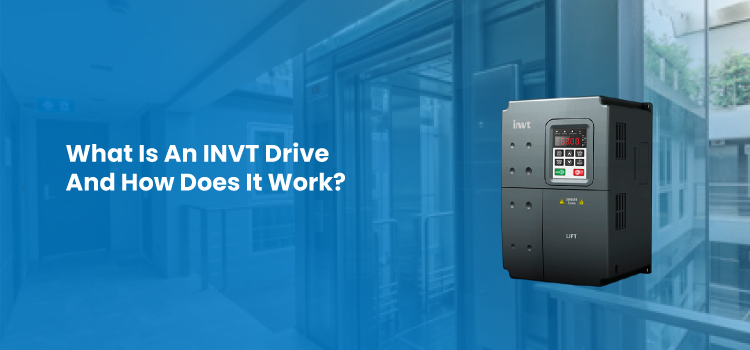
What Is an INVT Drive and How Does It Work?
An INVT Drive, by INVT, is an electronic variable frequency drive (VFD) better known for energy-saving control solutions. Simply speaking, the drive accepts a speed reference and controls the speed of the elevator motor by directing the energy flow to the motor. Instead of running the motor at full power constantly, the drive varies the energy to adapt to the load on the lift as well as the motion direction.
The INVT Drive works as a replacement for much older, less efficient methods of varying speed, which simply wasted power. In an old elevator, the motors are always set to fixed speeds that don’t always meet anyone’s demands. The motor only uses the energy it requires with an INVT Drive. Thus, the elevator has more reliable starts, quieter rides and less mechanical wear and tear on multiple components.
Reason 1: Reduces Energy Consumption
The most obvious benefit of utilising a good INVT Drive is the power consumption reduction. In most elevators, motors rank as one of the highest-consuming components. A drive ensures that power is only drawn when necessary and in the right amount.
For buildings with multiple floors and constant lift use, the savings add up fast. The drive lowers the voltage and frequency during idle times or lighter loads, which means fewer electricity spikes. This also stabilises the power supply for other building systems.
This is a great way to control costs without compromise.
Reason 2: Enhances Ride Comfort and Precision
Nobody enjoys a jerky elevator ride. INVT Drives help avoid that by giving precise control over the motor. The lift accelerates smoothly, travels at a steady speed, and stops without any sudden jolts.
This is especially crucial in places such as hospitals, residential complexes, and office buildings, where comfort is essential. The drive also increases floor levelling accuracy. That means the lift stops where it is supposed to stop, which lowers trip hazards and increases accessibility for people using walkers or wheelchairs.
Reason 3: Extends Equipment Life
When you reduce mechanical stress, everything lasts longer. INVT Drives protect motors and other parts by cutting down on sudden starts and stops. This lowers wear on cables, brakes, and control systems.
You’ll spend less on parts and less on elevator repair maintenance in the long run. Moreover, smoother motion means less strain on the travelling cable for elevators, which is often a forgotten (but important) power and signal connection.
Along with routine service and some common-sense lift maintenance, your elevator system can remain in great shape for years.
Reason 4: Supports Regenerative Energy Use
Now, things are getting interesting. Some INVT Drives have regenerative capabilities. What that means is they can take excess energy, perhaps from going down with a full lift, and feed that energy back to the electrical system of the building.
Instead of wasting that energy as heat, it gets reused. This not only cuts your elevator’s energy bill but can even lower the load on your building’s air conditioning since there’s less heat to remove.
It’s one of the more advanced things that INVT Drives do to host a significant advantage in modern lift systems.
Reason 5: Simple Integration and Smart Monitoring
INVT Drives are designed with an existing control system, which is why they are great for new installations and retrofitting. For retrofitting older lifts, elevator companies in Mumbai and other major cities often recommend them for this reason.
Installation is relatively quick, and the learning curve for technicians isn’t steep. More importantly, many INVT Drives come with built-in monitoring tools. They monitor energy expenditures, motor status, and errors, all in real time. If something goes wrong, your maintenance team is alerted to the issue. This minimises downtime and enables quicker exams and troubleshooting during elevator repair maintenance. And the fewer surprises you have, the less money you’ll spend too.
Why Travelling Cables Still Matter
Even with a smart drive system, basic maintenance counts as well. The travelling cable for elevators is responsible for transmitting power and control signals between the cabin and the control room. When the travelling cable is old and wearing out, its performance will suffer even if your drive is good.
Good maintenance practices include inspecting the travelling cable for wear and tear regularly. This simple step ensures your drive will continue to operate efficiently, without delay in sending signals and loss of power.
So while the INVT Drive handles the brains of the operation, the cables carry the messages. Both need attention.
Long-Term Savings with Good Maintenance
Energy efficiency isn’t just about installing new tech. It’s about how well you take care of the system. Following simple lift maintenance tips like monthly inspections, regular lubrication, and keeping sensors clean can make a big difference.
A well-maintained INVT Drive will perform better, consume less energy, and require fewer service visits. Working with elevator companies that are certified will help ensure the drive’s factory settings are optimised for the usage patterns of your building.
You don’t need to be a tech expert. Simply maintain a servicing schedule, and a user will realise the entire benefit of the drive system.
Conclusion
INVT Drives are starting to change the way elevators use energy; they improve ride smoothness, expand the life of the equipment, lessen power consumption, and even repurpose unused energy in some cases. INVT Drives can become a solid investment for any building if the elevator is paired with regular servicing, good travelling cables, and setup with good technicians.
Energy savings, better ride comfort, lower service costs? Everyone wins!
If your building is ready for an upgrade or you’re installing new elevators, talk to experienced elevator companies in Mumbai or your local area. Ask how an INVT Drive could fit into your lift system and what you’ll gain from making the switch.
FAQs
1. What does an INVT Drive do in an elevator?
An INVT Drive does control the speed and power of an elevator motor. The Drive modifies the motor’s output based on the load and the direction of travel, which aids the lift to run smoothly while lowering the energy consumed.
2. How does it help cut energy?
The Drive regulates the voltage and the frequency; thus, it will only let the elevator motor operate as hard as it has to. Some Drives will even reuse the surplus power from the lift, making it overall a more efficient lift.
3. Is it suitable for older elevator systems?
Yes. INVT Drives can be added to many existing systems. Many elevator companies in Mumbai offer retrofitting services that include drive upgrades.
4. What is the role of the travelling cable for elevators?
The travelling cable sends power and data between the elevator cabin and the control panel. A good cable ensures smooth communication and safe operations.
5. Can INVT Drives reduce maintenance costs?
They help cut costs by lowering strain on mechanical parts, which reduces wear. Also, built-in monitoring tools make it easier to spot issues early.


Leave a Reply