
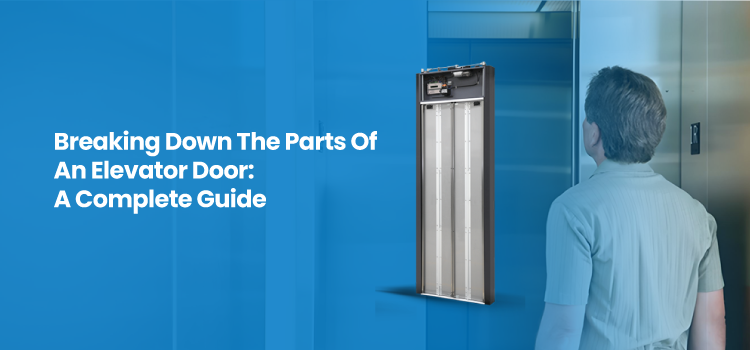
Breaking Down the Parts of an Elevator Door: A Complete Guide
An elevator door system includes many important parts. Door panels are what we see and touch—they slide open and closed, often made from strong materials like stainless steel. The door operator is the motor that controls movement. Tracks and rollers help the doors glide smoothly. The interlock system ensures doors only open when it’s safe. A door clutch links the car and landing doors. Elevator door sensors detect people to stop the doors. Hangers and gibs support and guide the door’s movement.
Elevator doors tend to be out of mind until they aren’t. A small hesitation, a screeching sound, or a jolting sudden stop makes you realise just how much depends on those panels opening and closing in the right fashion. And behind those motions? A smart system built with several critical components, all working in sync. If you’re involved in building maintenance or architecture or work with elevator companies in Mumbai or elsewhere, understanding the parts of elevator door systems is essential.
Why Understanding Elevator Door Parts Is Important
The first obvious factor is safety. The door system acts as the front line of passenger protection. But faulty elevator door parts can bring service delays, safety issues, and unwanted costs with downtime issues. Beyond that, understanding how things work helps with maintenance scheduling and solves tasks more expediently. For building managers, technicians or inquisitive tenants, understanding the basics makes a big difference.
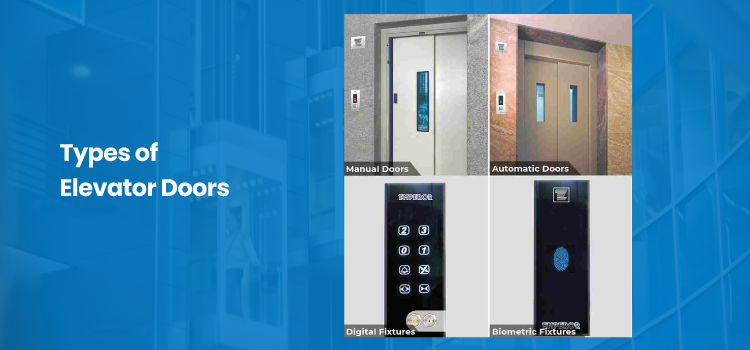
Types of Elevator Doors
Different buildings, needs, and spaces demand different door types. The elevator door types act to both define the operational consistency of the doors and define the functional components within the system.
Here are the usual suspects:
- Manual doors: Mostly found in older or freight lifts. These require physical effort to open and close.
- Automatic doors: Automatic doors are ubiquitous in modern elevators. They are powered by an electromechanical motor with an electronic control system.
And now let’s get into the details of how they can move:
- Single Slide: One panel opens in one direction. This is simple enough and works well for smaller doors/entrances.
- Centre Opening: Two panels open outward, in the middle. Quick access, often seen in commercial buildings.
- Telescopic Doors: Panels slide in sequence, stacking behind each other. Great for wider openings in compact spaces.
Each of these types of elevator doors needs specific parts of elevator door systems tailored to its movement, weight, and mechanism.
Key Parts of Elevator Door System
1. Door Panels
What do we actually see and interact with? The actual sliding surface. Most elevator door panels are made of stainless steel. Some luxury buildings use all-glass walls so the passengers can look outside the car.
Although door panels appear simple, they must be perfectly balanced and aligned. A damaged panel may malfunction and affect the operation of the whole door set.
2. Door Operator
And we cannot forget about the heavy lifting. It is the motorised machine that opens and closes the doors automatically. It receives signals from the elevator control unit and precision timing to drive the motion.
Good door operators will minimise vibration and noise while controlling the speeds. And, once again, when this piece of equipment fails, we generally see either very jerky or slow movement; sometimes the doors won’t open at all.
3. Door Tracks and Rollers
These sit behind the scenes, guiding door panels as they move. The door tracks are the grooves, and the rollers are wheels that let the panels glide smoothly along them.
When these parts of elevator door systems get worn or dusty, you’ll hear a grinding or scraping sound. Misalignment is another common problem that results in uneven or delayed door movement.
4. Interlock System
This one’s all about safety. The interlock is a mechanical lock that prevents the elevator doors from opening unless the cab is properly aligned with a landing. You don’t want doors swinging open when the elevator isn’t there. That’s where the interlock kicks in.
It also sends a signal to the controller to confirm when it’s safe to operate the elevator. Failures in this part can cause the whole system to stop as a safety precaution.
5. Door Clutch Mechanism
Found on the elevator car door, the door clutch connects the car door to the landing doors. When the car reaches a floor, the clutch engages with the landing door so both open in sync.
It’s a smart design. The clutch ensures that the landing doors can’t open on their own unless the car is present. If the timing feels off or the doors aren’t opening together, the clutch is likely the culprit.
6. Door Sensors
Ever seen elevator doors bounce back when someone steps in at the last moment? That’s the lift door sensor doing its job. These elevator door parts are vital for safety.
There are a few types:
- Light curtains: Invisible beams across the door opening. If interrupted, the door stops or reverses.
- Infrared sensors: Detect movement near the door.
- Mechanical sensors: Use physical contact to trigger a response.
Malfunctioning sensors can be annoying at best and dangerous at worst. Regular checks help prevent misreads and unexpected closures.
7. Door Hangers
These are mounted at the top of the door panel and support its weight. They’re like strong shoulders that carry the load and make sure the door stays aligned as it moves.
If hangers are loose or bent, doors won’t slide smoothly. You might even see the panel tilt slightly.
8. Door Gibs (Guide Shoes)
Door gibs, sometimes called guide shoes, are small metal or plastic parts at the bottom of the door. They slide in a track on the floor and help guide the door panel vertically.
Though tiny, they’re crucial. Without them, the bottom of the door would swing or drag. Broken or missing gibs usually lead to door misalignment and jamming.
Common Problems with Elevator Door Parts
Let’s be honest, most elevator service calls start with the doors. They’re the most used (and often abused) part of the system.
Common issues include:
- Worn-out rollers causing jerky movement
- Dirty or bent tracks
- Faulty door sensors making doors open and close repeatedly
- Misaligned gibs leading to stuck doors
- Failing operators that refuse to respond
In many cases, these failures are linked to missed maintenance schedules or poor installation practices.
Maintaining the Parts of Elevator Door System
Here’s a basic maintenance checklist:
- Clean door tracks regularly to remove dust and debris
- Inspect rollers and gibs for wear and replace them on time
- Test the lift door sensor frequently to ensure it responds correctly
- Check the door operator motor for overheating or unusual noise
- Ensure the interlock system engages smoothly and signals properly
For elevator companies in Mumbai dealing with city dust and humidity, cleaning and alignment checks become even more critical. A proactive approach can prevent breakdowns and extend the life of the elevator door parts.
Conclusion
The elevator door might look like a simple sliding barrier, but under the surface, it’s a smart and complex system. From the panels and sensors to the clutch and interlock, each part plays a specific role in safety, comfort, and performance. Whether you’re managing maintenance or simply curious, knowing these components helps you catch issues early and speak the same language as your technician.
Frequently Asked Questions (FAQ)
Q1: How often should elevator door parts be inspected?
Most experts recommend inspecting all parts of elevator door systems every month. High-traffic buildings may need more frequent checks.
Q2: What are the most common parts of elevator door that fail?
Rollers, door sensors, and operators top the list. These parts take the most wear and tear.
Q3: Can faulty elevator door parts cause the elevator to stop?
Yes. If the interlock doesn’t confirm door closure, the system will halt for safety. Sensor or operator failures can also stop operation.
Q4: What is an elevator door edge?
It’s the front edge of the door panel, usually equipped with sensors or cushioning to detect obstructions and reduce impact when closing.


Leave a Reply