
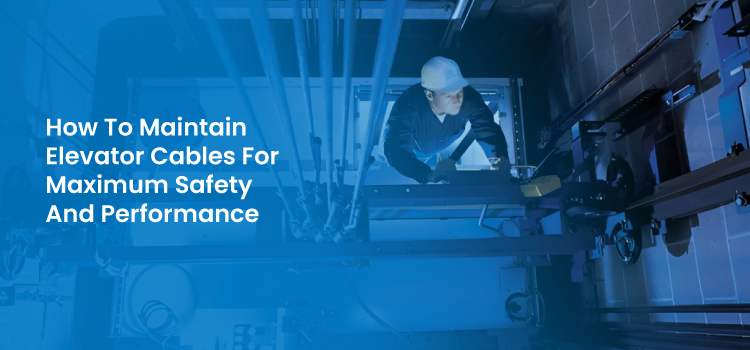
How to Maintain Elevator Cables for Maximum Safety and Performance
To maintain elevator cables, check them regularly for signs of wear, rust, or fraying. Keep the cables clean and properly lubricated to reduce friction and prevent damage. Make sure the tension is balanced to avoid uneven wear. Only trained professionals should inspect and service elevator cables to ensure safety. Replace damaged cables immediately to avoid accidents. Follow the manufacturer’s maintenance schedule and safety guidelines. Regular care helps extend the life of the cables and keeps the elevator running smoothly.
Elevators are extremely important design features that allow people and freight to navigate building infrastructure. Elevator functionality involves a number of key components, with the cables being the most important. It is critical that elevator cables remain in good condition, not just for performance, but for safety as well. Consistent maintenance of elevator cables and equipment will reduce the likelihood of all kinds of breakdowns and eventually extend the lifespan of the system. In this article we will explain how to maintain the elevator cable so hopefully your lift will function long and reliably for years to come.
Understanding Elevator Cables: The Backbone of Vertical Transportation
What is an Elevator Cable?
Elevator cables are designed to be strong and flexible; they are made to support the total weight of the elevator car and counterweight. Elevator cables are subject to a lot of stress due to the constant tension required of them to carry out vertical movement. Without them, the elevator would simply not work.
Types of Elevator Cables
Elevators use many cables geared to perform separate functions:
- Hoist Cables: These cables raise and lower the elevator car.
- Compensation Cables: These cables are for balancing the elevator car weight with the counterweight that assists the lifting.
- Travelling Cable for Elevators: This cable provides electrical power and signal connections to the elevator car while it travels between floors.
If you understand the reasons for using the cables, you can plan the correct inspection and servicing schedule. This is especially important if you are a facility manager and want to avoid high costs for Elevator repair maintenance.
Role in Smooth Operation and Safety
Elevator cables directly affect how safe and smooth a lift ride feels. Worn-out cables can lead to jerky movements, noise, and even safety issues. That’s why elevator cables must be checked regularly to catch wear and tear early. In cities with heavy usage like Mumbai, Elevator companies in Mumbai often stress routine inspections and cable maintenance.
Why Elevator Cable Maintenance Is Critical
Routine Lift Maintenance Tips include checking cables as a priority because their failure could lead to major accidents. With regular attention, issues like fraying, stretching, or loosening can be detected early. Maintenance keeps the cables strong and effective, reducing the need for emergency repairs. It also ensures that the traveling cable for elevators continues delivering power and data without interruption.
For elevators in commercial or residential buildings, cable health is linked directly to reliability. Poorly maintained cables result in unexpected stoppages, frustrated passengers, and expensive service calls. Elevator companies in Mumbai often highlight this issue during maintenance audits.
Common Issues Found in Elevator Cables
- Fraying or Broken Strands: This happens due to constant movement and tension.
- Rust and Corrosion: Exposure to moisture or lack of lubrication can cause cables to rust.
- Uneven Tension: Cables should be aligned and tensioned equally to prevent jerky movement.
- Wear at Bends and Contact Points: These are areas that often experience the most friction.
- Travelling Cable Damage: The travelling cable for elevators may get pinched or worn due to repeated movement.
These issues should be identified and fixed quickly to avoid complete system breakdowns.
Step-by-Step Guide to Elevator Cable Maintenance
1. Visual Inspection
Begin with a simple visual check. Look for broken strands, rust, and signs of wear. Pay close attention to the points where cables connect to the elevator car and counterweight. Look for signs of friction or damage at bends.
2. Lubrication of Hoist Cables
Lubricating hoist cables is essential. It reduces friction between wires and helps prevent rust. Use only the lubricant recommended by the cable manufacturer. Never over-lubricate, as this can attract dirt, which adds more friction.
3. Checking Tension and Alignment
Each hoist cable should have equal tension. Uneven cables can cause unbalanced movement or wear. Use proper measuring tools to check tension regularly and make adjustments if needed.
4. Inspecting Traveling Cable for Elevators
This step focuses on the cable that moves with the car. Check for kinks, pinches, and outer jacket damage. A damaged traveling cable for elevators can interrupt communication with the control panel, affecting the car’s movement and passenger safety.
5. Monitoring Cable Stretch and Elongation
Over time, cables may stretch. Measuring the elongation helps determine if a cable has weakened. If the stretch exceeds the manufacturer’s limit, it’s time for a replacement.
6. Professional Testing and Certification
While basic checks can be done in-house, always schedule professional inspections at regular intervals. Certified elevator technicians have specialized tools and training to identify hidden issues. Many elevator companies in Mumbai offer maintenance contracts that include cable testing and certification.
When to Replace Elevator Cables
Lifespan Indicators
Most elevator cables are built to last several years, but their lifespan depends on load, frequency of use, and environmental conditions. Signs of fraying, loss of tension, or stretching beyond the limit usually mean the cable has reached the end of its life.
Manufacturer Recommendations
Always follow the guidelines set by the manufacturer. These include maintenance intervals, lubrication types, and replacement schedules. Ignoring these can void warranties and lead to costly Elevator repair maintenance.
Safety-First Approach
Never delay cable replacement if safety is at risk. Even minor issues with elevator cables can become dangerous if ignored. A worn-out traveling cable for elevators, for example, can disrupt car operations and put passengers in danger.
Tips for Extending Elevator Cable Lifespan
- Keep the cables clean and free of dust.
- Use correct lubricants as recommended.
- Check cable alignment after every service.
- Protect cables from moisture and chemical exposure.
- Schedule inspections every 6 months for high-traffic lifts.
- Partner with trusted elevator companies in Mumbai for regular audits.
These Lift Maintenance Tips help ensure safe, efficient operations with fewer breakdowns and lower costs in the long run.
Conclusion
Maintaining elevator cables should never be treated as an afterthought. These vital components carry the load, ensure safety, and provide a seamless experience for riders. By performing routine inspections, using the right maintenance methods, and replacing cables when needed, you can avoid unexpected problems and expensive Elevator repair maintenance. Always follow manufacturer advice and consider professional servicing for peace of mind. For those operating in metro areas, it’s wise to consult with expert elevator companies in Mumbai for regular service and inspection.
Frequently Asked Questions (FAQ)
How often should elevator cables be inspected?
Basic inspections should be done monthly, while full professional checks are recommended every six months or as per usage level.
Can traveling cables be repaired?
Minor issues like outer jacket damage may be repaired temporarily, but for safety reasons, replacement is usually recommended.
What signs indicate immediate replacement is necessary?
Fraying strands, reduced tension, rust, or excessive stretch are key signs that cables should be replaced immediately.
What size is an elevator cable?
The size varies depending on the load and design of the lift. Common hoist cable diameters range between 8 mm and 13 mm.


Leave a Reply