
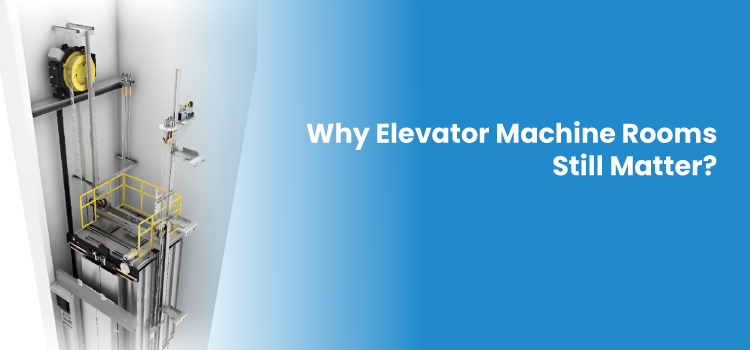
Why Elevator Machine Rooms Still Matter: Safety, Maintenance, and Design Insights
Introduction
Modern buildings depend on elevators more than most people realize. Offices, hospitals, and apartments would struggle without them. The elevator machine room is an area of the elevator that typically does not receive the attention it deserves, given the emphasis on speed, energy performance, and aesthetics. Although located at the top or bottom of the lift shaft, it is still worth noting that these spaces are central to improving their safety, maintenance, and lift design, just like the technology support inside the elevator machine room.
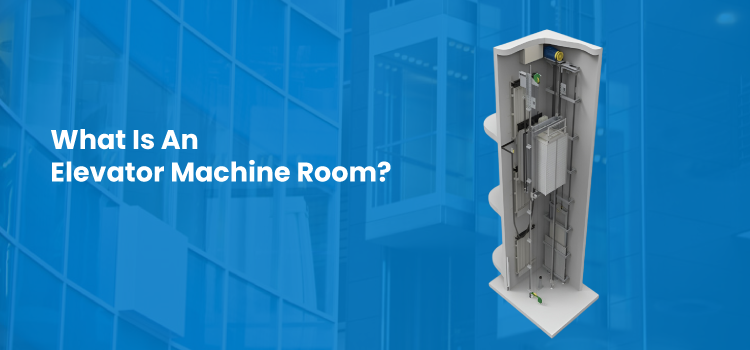
What is an Elevator Machine Room?
Essentially, an elevator machine room is a designated area with apparatus to allow the lift to operate, including motors, control panels, and drive systems. The machinery in the room is critical to the elevator’s proper function. Simply put, without machinery, the elevator system would not work.
The elevator machine room is located in a controlled-access space for trained technicians to access machinery without the public disturbance. As machinery is especially valuable and expensive, keeping machines out of public spaces significantly reduces the risk of tampering or accidental damage. Many elevator companies in Mumbai and other cities still build systems with machine rooms because of these advantages. Even with new designs that don’t require them, machine-room-based elevators remain popular.
Safety Advantages of Elevator Machine Rooms
Safety is one of the biggest reasons why these rooms are still relevant. When all major equipment sits in one locked space, it reduces exposure to hazards. Passengers using the lift never come into contact with moving parts, wires, or heavy machinery.
Another attribute of the room is that only authorized technicians can access the lift at once. Again, only technicians are allowed to enter the room, which keeps the equipment as well as the building population safe. In short, controlled-access space will lessen the likelihood of accidents related to user interaction with the apparatus.
Temperature control is also a factor. Machinery that overheats can malfunction or pose risks. Dedicated rooms allow proper ventilation and cooling systems to be installed. That extra layer of environmental control supports long-term safety.
Maintenance Benefits
Centralizing access to machinery in one space provides for more controllable access for the technician, making the maintenance process more efficient. The machinery, including motors, brakes, and control panels, will provide technicians with access to lift users without the need to disassemble access to the lift in the shaft. This allows for faster and less intrusive maintenance checkups.
On top of this, the separation between passengers and equipment reduces the ability for accidental wear to take place that arises from misuse. When breakdowns do occur, elevator repair maintenance is simpler because the technician does not need to squeeze themselves into a compact and/or awkward furniture-work space. Another bonus to an elevator machine room is the option of preventative maintenance. Since the room gives direct access to all key components, problems can be spotted early. Worn belts, loose connections and visual signs of wear can be addressed before they become an outright fault. Building managers are in favor of these practices because they alleviate downtime and expense.
Some companies even follow detailed schedules. They follow tips that recommend routine inspections of machine rooms. The lift maintenance tips normally are simple requests, which include cleaning dust away from the equipment, checking oil levels and testing emergency brakes. Complete adherence to these maintenance recommendations will help the elevator last longer and avoid expensive repairs. Regular upkeep combined with Regular Lift Inspections ensures that every component functions safely and efficiently, preventing unexpected breakdowns and extending the overall life of the elevator system.
Design and Engineering Insights
The layout, location and size of an elevator machine room are not simply put whatever equipment fits within the spare area. Engineers calculate every detail of the layout in regard to size, plan and room location. The layout must be spacious enough for safe movement but not take away from the space that can be used for building use.
Noise and vibration mitigation is also evaluated. Elevators create mechanical noise and without sufficient consideration, this noise may affect the nearby rooms. Engineers apply sound isolation of building wall systems to isolate the elevator machine room and dampening materials to reduce sound transference.
Another design factor is emergency access. If there is an incident, doors, lighting, and layout should allow technicians to respond without delay. Poorly designed spaces can slow response times, which is why experienced builders consider these factors well before development begins.
Many of the more recent projects have considered an aesthetic appeal as well as function. Even though the room is hidden, it still follows standards for ventilation, fire safety, and energy efficiency. This balance of engineering and safety design is what makes machine rooms reliable in the long run.
When to Choose Elevators with Machine Rooms
The trade-off between machine-room-less (MRL) systems and a traditional design will depend on the purpose of the building. For lower, spatially limited buildings, an MRL elevator makes a lot of sense. But for taller buildings, or buildings that are being used in more depth, a dedicated elevator machine room is often more appropriate.
High-rise towers use bigger motors and will perhaps house more advanced systems. A separate elevator machine room will not only preserve space, but it also ensures better serviceability and operational efficiency. These factors hospitals and office buildings value even more as they lower service and repair down-time.
For property managers willing to focus on long-term reliability, a machine-room elevator is more frequently the safer investment. The up-front cost is sometimes slightly higher than MRL, but the long-term savings for reliability, operations, and safety usually compensate.
The Future of Machine Rooms in Elevator Design
Technology is advancing once more, and MRL elevators are again gaining traction. But elevator machine rooms are not going anywhere. In fact, many engineers would argue that they are more necessary than ever as high-capacity systems evolve and available buildings deem reliability non-negotiable.
Future designs may make these rooms smarter. Digital monitoring tools can track performance remotely, sending alerts before problems develop. This would make maintenance even more efficient. In combination with energy-efficient systems and eco-friendly motors, machine rooms would increase the sustainability of building designs even further.
The interest in the machine room type of elevator within urban areas in general, and particularly in cities like Mumbai, is still prevalent in the context of high-rise residential buildings and commercial use. They still qualify as a legitimate alternative based on their balance of safety, ease of maintenance, and durability.
Conclusion
Elevators can change with technological components, but as of now, the elevator machine room is still very much in play, providing safety to the user and the equipment and machinery contained within. Maintenance becomes faster and more effective thanks to easy access. Design considerations are put into effect to ensure performance and efficient system durability while users still receive the comfort they expect outside of the elevator itself.
Undoubtedly, long-term needs will factor into the decision of systems for the owners of buildings.While there may be redundant systems available in the market, elevators with machine rooms continue to balance safety, easy maintenance, and engineering stability. With better monitoring tools and new designs on the horizon, they will continue to be a mainstay for vertical transportation for many years.


Leave a Reply